Middle Conference Field Trips
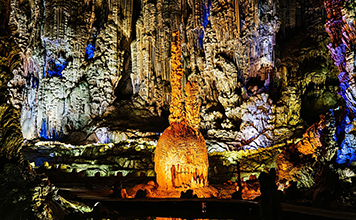
Shihua Cave
Shihua Cave, a core component of the Fangshan UNESCO Global Geopark, is a well-developed karst cave system in the Ordovician Majiagou Formation limestone. The cave features a multi-level, layered structure with eight levels identified (Levels 1–7 are karst passages, and Level 8 is an underground river). Shihua Cave is recognized as having the most cave levels among all karst caves in China. Within the cave, a wide variety of speleothems can be observed, including stalactites, stalagmites, stone pillars, stone curtains, and the rare moonmilk deposits—for which Shihua Cave is particularly renowned. These features make Shihua Cave an exceptional site for the study of karst processes, paleoenvironmental reconstruction, and northern China’s tectonic history.
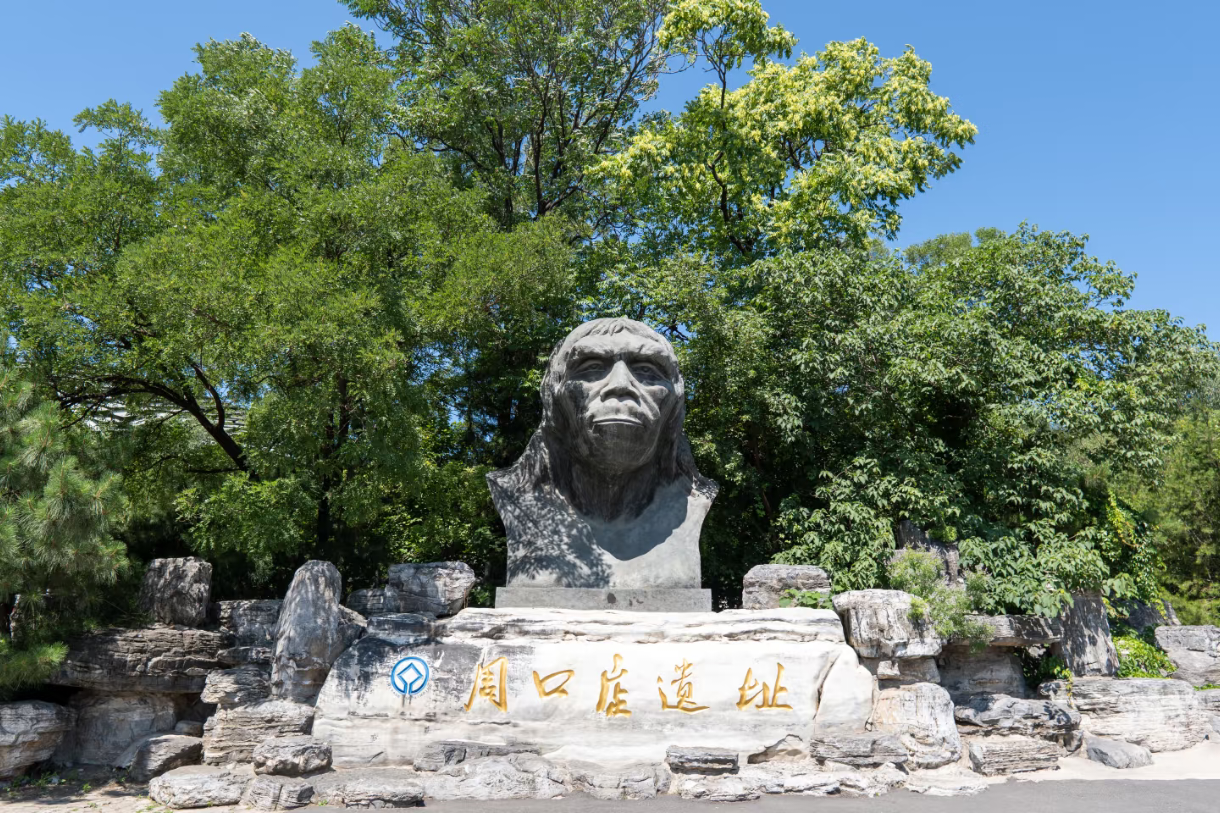
The Zhoukoudian Peking Man Sites
The Zhoukoudian Site is renowned worldwide as the home of "Peking Man" (Homo erectus pekinensis), who lived here approximately 500,000 to 680,000 years ago. Inscribed as a UNESCO World Heritage Site in 1987, this paleoanthropological complex comprises more than 20 fossil localities. Excavations have unearthed abundant hominid fossils, stone tools, fire-use evidence, and remains of extinct animals, providing critical insights into human evolution, behavior, and adaptation in East Asia. During our field visit, participants will tour the on-site museum, which displays original fossil casts, cultural relics, and scientific exhibits explaining the stratigraphy and dating methods. We will also walk into the preserved cave localities to observe the sedimentary layers where these discoveries were made.
Contact us




{{ 'en' == 'cn' ? item.name : item.name_en }}
{{ 'en' == 'cn' ? item.desc : item.desc_en }}