Yanqing Global Geopark of China is located at a transitional zone between North China plain and Inner Mongolian plateau. It is one of the famous naming places of Yanshanian movement, liking a shining pearl embedded on the south slope of magnificent Yanshan Mountains. Yanqing Geopark, taking the Precambrian marine carbonates as its material basis, dominated by the Mesozoic Yanshanian movement related geoheritage, is a comprehensive geopark by integrating the tectonic, sedimentary, paleontologic, magmatic geoheritage and North-China-type karst landforms into a whole.
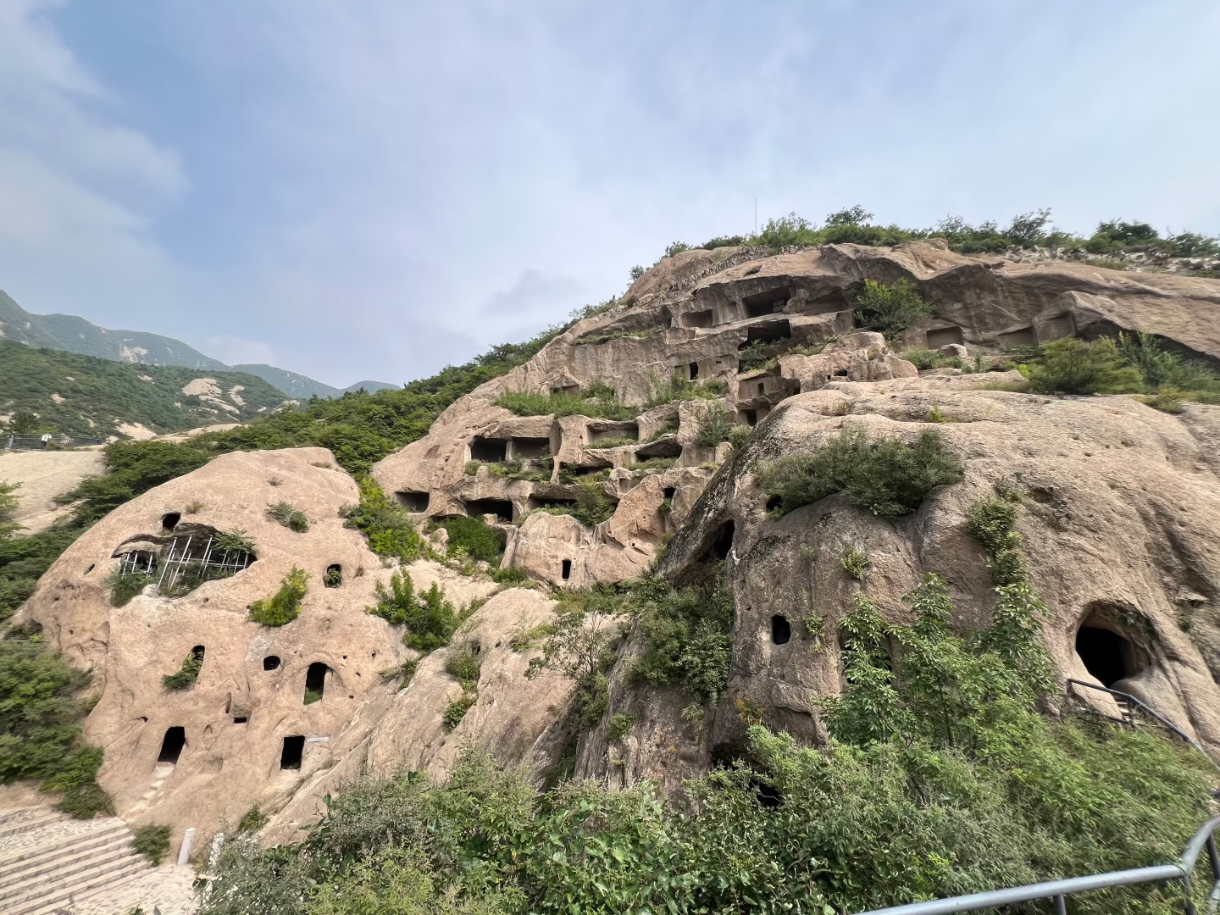
As part of the Yanqing UNESCO Global Geopark, the Guyaju site is distinguished by over 140 hand-carved stone chambers spread across a 100,000-square-meter granite cliff face. Hewn from Mesozoic granite dating back approximately 110 million years, these “stone-rooms” represent the largest known cliff-dwelling complex in northern China. Unlike traditional architecture, these caves feature sophisticated internal layouts, including stone beds, kitchens, and feeding troughs, showcasing the ingenuity of ancient builders. While their exact origin remains a historical mystery, the site offers a unique intersection of geological significance and archaeological intrigue, providing an unforgettable experience for experts and visitors alike.
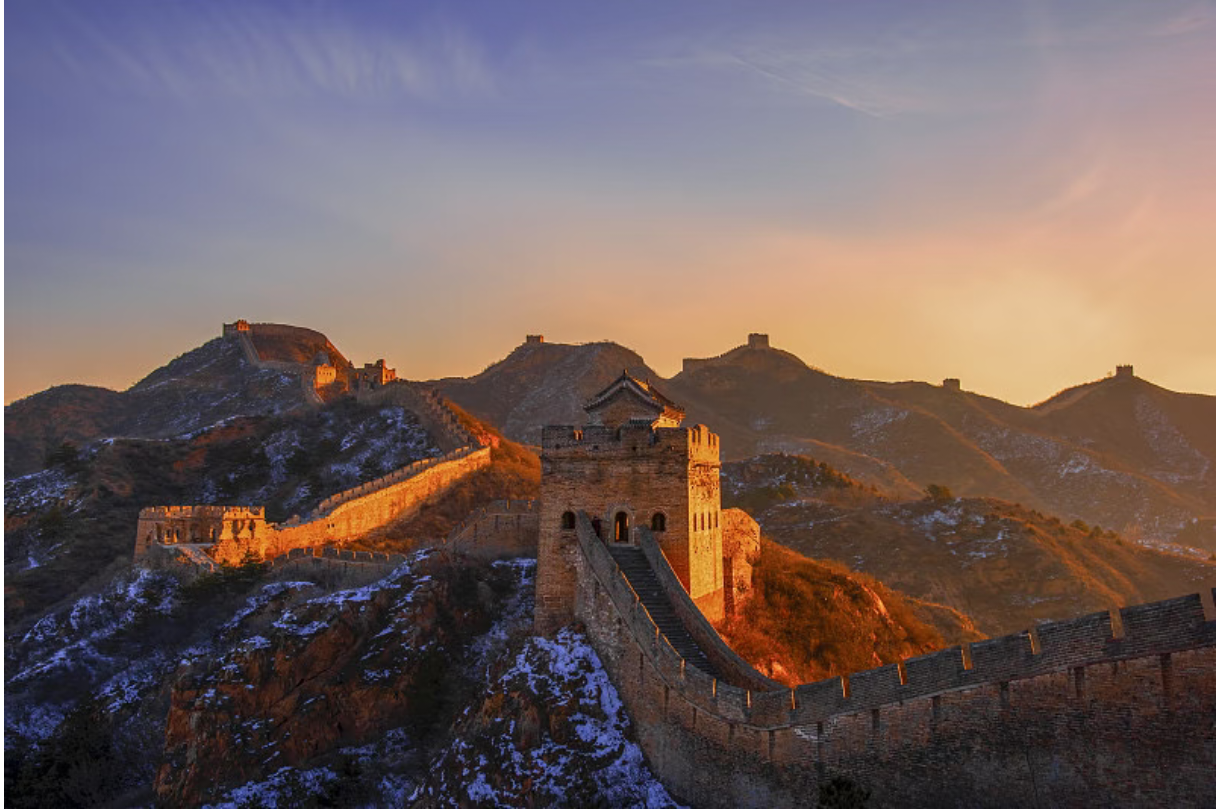
One of the seven wonders of the world, the Great Wall of China is a man-made structure that was constructed over two thousand years ago and took about 100 years to complete. Just like a huge dragon, the Great Wall winds up and down across desert, grasslands, mountains, and plateaus, stretching approximately 6700 Km from east to west. It is a military project built to defend against northern nomadic invaders during different periods of time in ancient China. It embodies the wisdom of ancient Chinese people and serves as a symbol of their persistence and diligence as well.
{{ 'en' == 'cn' ? item.name : item.name_en }}
{{ 'en' == 'cn' ? item.desc : item.desc_en }}